
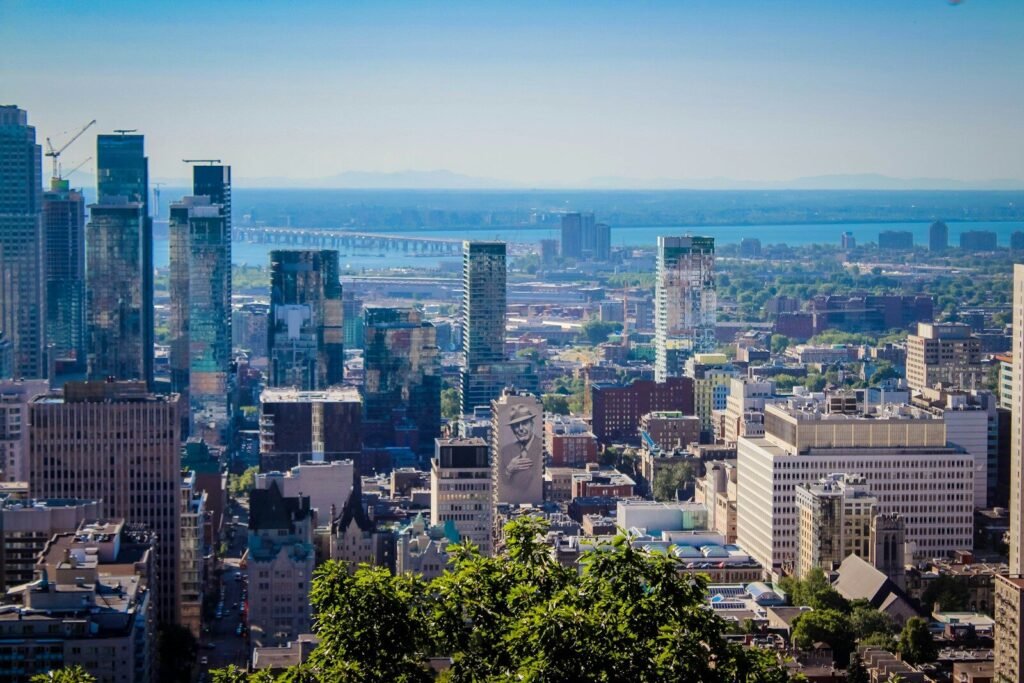
Buying a house is a very big deal. In case you are a citizen of a different country and want to purchase a home in Montreal, Canada, you should be aware of a few unique regulations. Montreal is an attractive city with several parks, ancient buildings, and delicious food.
However, the government has come up with certain laws regarding house purchase since many people would desire to settle there. Here in this guide, find out about the regulations, the cash, and how to buy property in Montreal.
Can Foreigners Buy Property in Montreal Right Now?
The first point is that Canada has a special rule, which is referred to as the Foreign Buyer Ban. This rule started in 2023. At first, it was only supposed to last for two years. However, the government voted to extend it. At this point, it will continue until January 1, 2027.
It implies that the majority of the non-Canadian citizens are unable to afford a house in large cities such as Montreal. The government did so to contribute towards making houses affordable to individuals who are already residing in Canada.
Although it is a prohibition, still, a home can be purchased by some people. You might be able to buy if:
- You own a Work Permit: In case you relocate to Montreal to work and have a valid work permit, you can purchase a house.
- You are a Student: Long-term international students are allowed to purchase a house in Canada, although the policies are on the strict side.
- You buy a big building: It is usually not applicable to large buildings or condos. When you purchase a large building that has 4 or more apartments, then things are different.
It is a brilliant idea to discuss with an expert, and Mavit Realty will help you through everything.
The Costs of Buying a Home
Purchasing a house does not only require the price of the house. You must use additional finances on other things.
The Down Payment
When you buy property in Montreal, you do not normally pay the full amount of money immediately. You give a “down payment” first. Banks may require a larger down payment if you are a foreigner. In the majority of cases, they require you to pay 35 % of the entire price as an upfront payment.
Taxes
Welcome Tax is something that exists in Montreal. It is a charge imposed on the city in the act of purchasing a property. In other areas of Canada, a Foreign Buyer Tax (which can be 20% or 25% extra). But in the present day, Montreal does not have it as an additional tax. But you also have to pay regular taxes just like any other person.
Other Costs to Remember
You should not spend on the house price only when you go to buy a property in Montreal. There are additional expenses that arise at the close of the deal.
- Home Inspection: An expert will observe the house both at the roof and the basement. They look at any leaks, electrical, or broken heaters. This is to make sure that you can tell what you are signing before purchasing it.
- Moving Costs: It may cost a lot to hire a truck and a set of movers, particularly during rush days. You must also save up money to spend on minor things such as new locks or cleaning materials.
How to Find a Home in Montreal
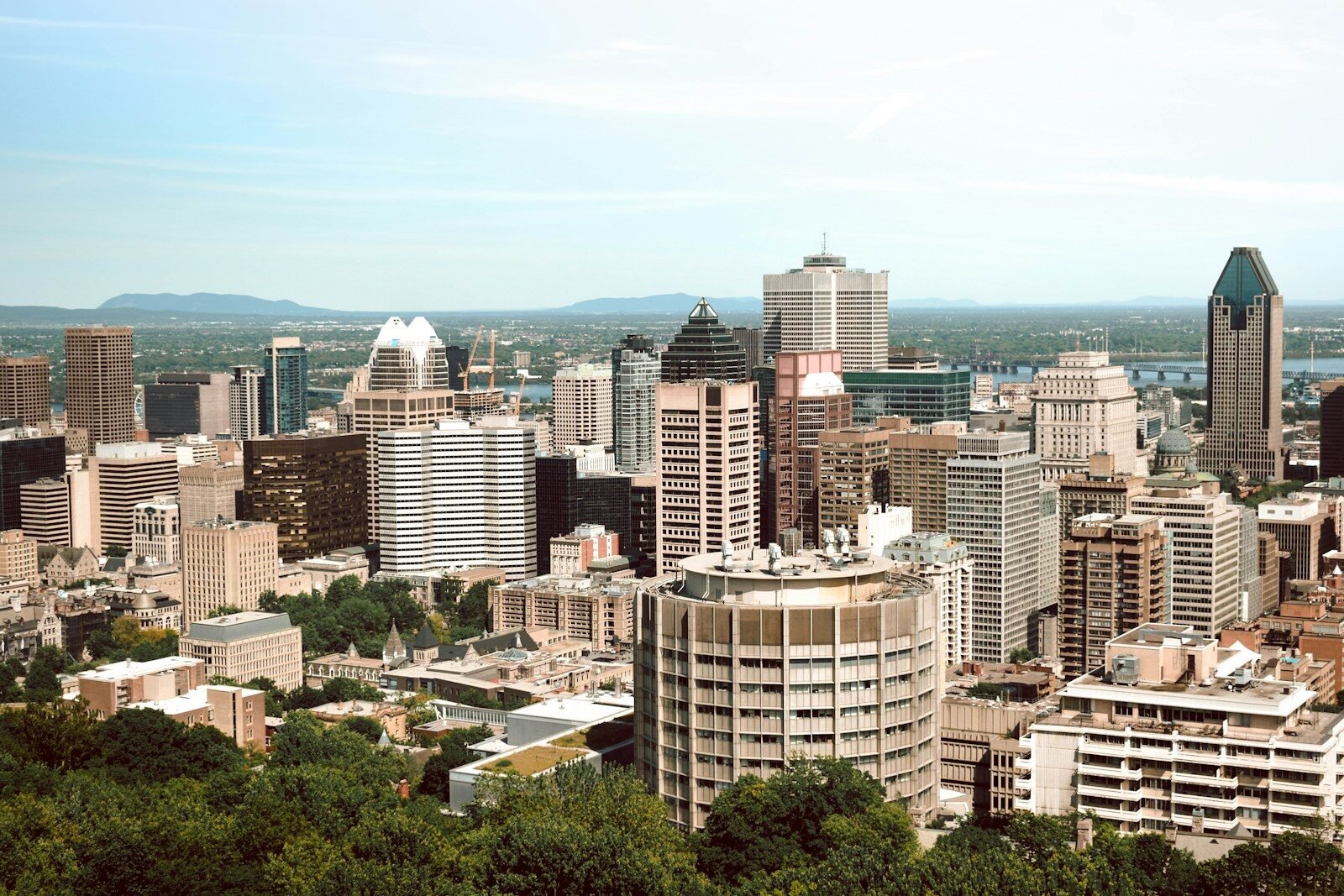
It is more of a treasure hunt to buy property in Montreal. It is a large island with numerous diverse vibes. You should just visit the various places so that you can determine which place suits you well in daily life, as well as in your character.
Begin with your commuting. Would you like to walk to work or do you like driving? The metro system of Montreal is very good. Thus, most of them prefer to be close to a train station to escape traffic and snow.
You should view neighborhoods at various times of the day. A street may be so quiet on a Sunday morning, but noisy on a Friday night. By walking around, you will get used to whether a place is actually home.
Steps to Buy Property in Montreal
- Get a Pre-Approval: Visit a bank and see how much they will give you.
- Locate a Realtor: A real estate agent will take you through houses and will assist you in negotiating with the sellers.
- Make an Offer: This is when you come across a house that you like, and you make the seller know how much you would like to pay.
- Closing Day: This is the big day. You sign the papers with the Notary, pay the money, and get your keys.
Conclusion
Buying a home in Montreal is a dream for many people. Even though the rules for foreign buyers are a bit tough right now, it is still possible for many people to buy property in Montreal and find a beautiful place to live or invest in.
Working with a professional team like Mavit Realty can make the whole process much easier. They can guide you through the laws, help you find the best deals, and make sure your move to Montreal is a success.
Frequently Asked Questions (FAQs)
1. Can I still buy a home in Montreal as a non-resident in 2026?
Most non-Canadians are currently banned from buying residential property in Montreal until January 1, 2027. However, you may be exempt if you have a valid work permit with at least 183 days remaining, if you are buying a large building or if you are purchasing with a Canadian spouse.
2. How much money do I need for a down payment as a foreign buyer?
If you are eligible to buy a property in Montreal, Canadian banks usually require a higher down payment from non-residents. You should plan to pay at least 35% of the home’s price upfront.
3. What is the “Welcome Tax” and how much is it in Montreal?
The Welcome Tax is a land transfer fee paid to the city. In 2026, Montreal uses a sliding scale: it starts at 0.5% for the first $62,900 and goes up to 4% for the portion of the price over $3,113,000.
4. Do I need to be in Canada to finish the home-buying process?
You do not always have to be physically present for the whole hunt, but you usually need to visit a Notary in person to sign the final papers. Additionally, most banks require you to visit a branch in person to open the Canadian bank account needed for your mortgage.
5. Are there extra taxes for foreign owners after the purchase?
Yes. If your property stays empty for too long, you may have to pay the Federal Underused Housing Tax (UHT), which is 1% of the home’s value every year.