


As we move through 2026, the Canadian real estate landscape is undergoing a significant “rebalancing.” While the headlines often focus on the high costs of big cities, smart investors are looking at the data to find where the best returns actually live. Factors like lower interest rates, shifting immigration patterns, and new housing supply are creating a unique map for success.
At Mavit Realty, we believe that the best cities Canada rental property investors to watch this year are those that balance affordability with high demand. Whether you are looking for monthly cash flow or long-term growth, here are the top cities to consider in 2026.
1. Calgary, Alberta: The Top Performer
Calgary continues to be the brightest star for rental investment in 2026. For the first time, Calgary has surpassed even Toronto in certain types of new housing construction, proving that the city is a magnet for growth.
Why it Works:
Calgary offers a “perfect storm” for landlords. The city has a very strong job market, especially in tech and energy, but the housing prices remain much lower than in Ontario or B.C. This means you can buy a property for less and still charge a healthy rent. In 2026, Calgary is seeing some of the best rental yields in the country, often reaching 6% to 8%.
What to Buy:
Look for “missing middle” housing like townhomes and duplexes. These are incredibly popular with young families moving from more expensive provinces who want more space but aren’t ready to buy a detached home yet.
2. Edmonton, Alberta: The Cash Flow King
If your main goal is to have extra money in your pocket every month after the mortgage is paid, Edmonton is your best bet. In 2026, Edmonton remains one of the most affordable major cities in Canada.
Why it Works:
Edmonton has a very high vacancy rate compared to other cities, but don’t let that scare you. The city’s population is growing steadily, and because the entry price for a condo or small house is so low, your monthly mortgage payment is small. This makes it much easier to achieve “positive cash flow” from day one.
What to Buy:
Newer purpose-built rentals and apartments near the university or the downtown core are performing well. Tenants in Edmonton are looking for modern amenities and energy-efficient homes.
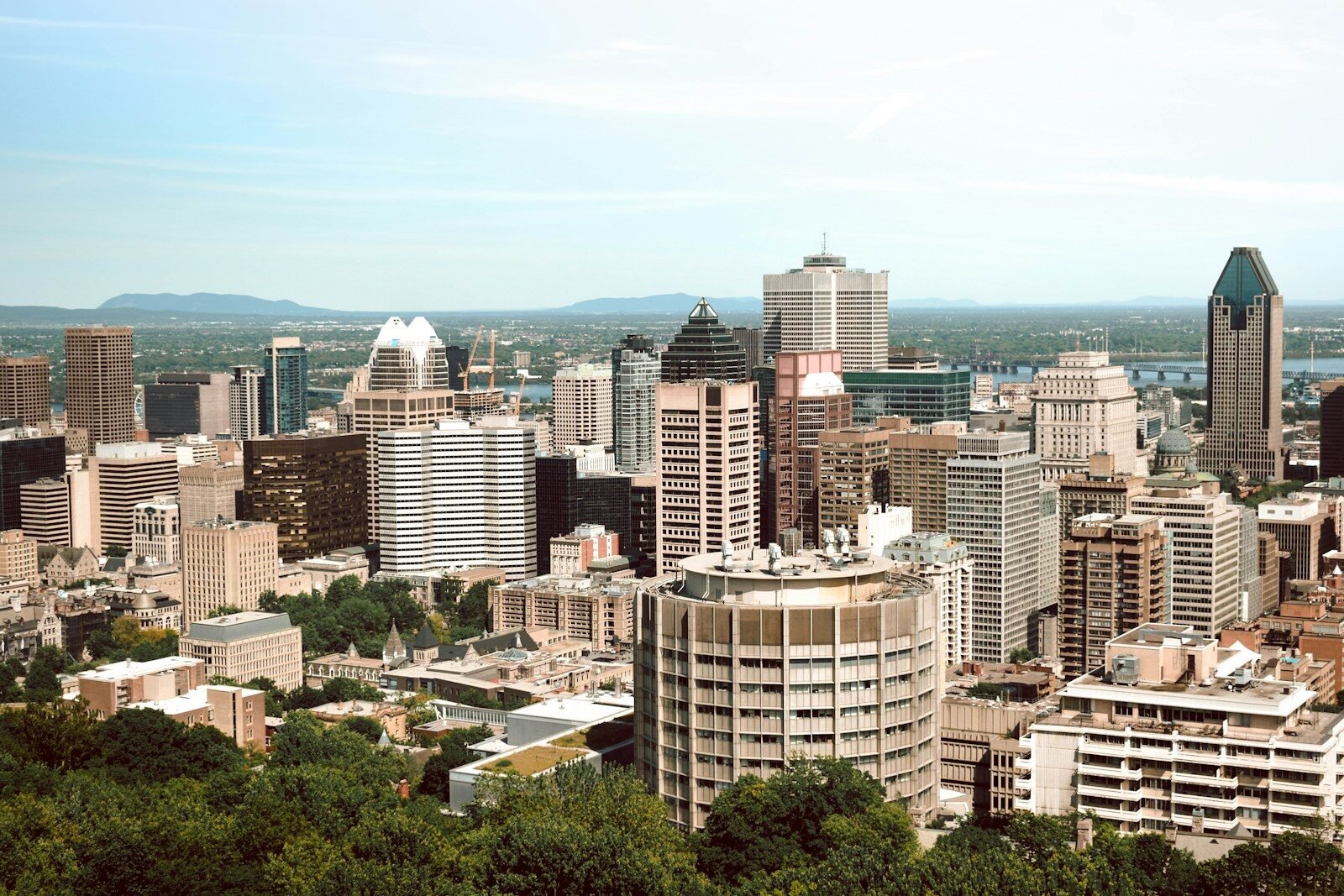
3. Montreal, Quebec: The Rental Cultural Hub
Montreal has made a massive shift in 2026. More than any other city, Montreal has pivoted toward building “purpose-built rentals” rather than condos for sale. This makes it a very stable place for the best cities in Canada rental property strategy.
Why it Works:
Montreal has a long history as a “renter’s city.” A large part of the population prefers to rent for life. With a booming tech and creative industry, there is a constant demand for housing. While property prices in Montreal have risen recently, they are still much lower than in Toronto, allowing for better yields.
What to Buy:
Small apartment buildings (plexes) are the classic Montreal investment. Buying a triplex where you live in one unit and rent the other two is a fantastic way to build wealth in this city.
4. Halifax, Nova Scotia: The Atlantic Rising Star
Halifax has moved from a “quiet town” to a major growth market in just a few years. In 2026, the momentum in Atlantic Canada is stronger than ever.
Why it Works:
Halifax is experiencing rapid population growth, but has a very low supply of new homes. This has pushed vacancy rates to historic lows. When vacancy is low, landlords have more power to choose high-quality tenants and maintain steady rent growth. It’s a landlord-friendly market with a very bright future.
What to Buy:
Mid-rise apartments and condos near the waterfront or the universities are the top picks here. The student population in Halifax is a reliable source of rental demand every year.
5. Ottawa, Ontario: The Stability Choice
For investors who want low risk and “recession-proof” income, the nation’s capital is the place to be.
Why it Works:
Ottawa’s economy is anchored by the federal government and a massive tech sector (Silicon Valley North). This means that even if the global economy gets bumpy, people in Ottawa still have stable jobs and can pay their rent. In 2026, Ottawa’s rental market is very balanced, offering steady returns without the wild price swings seen in Toronto.
What to Buy:
Properties near the new transit corridors (LRT lines) are the best investment. As the city improves its public transportation, homes within walking distance of a station are seeing the highest rent increases.
Conclusion: How to Choose Your City
The best Canadian rental property market for you depends on what you value most.
- If you want the highest rent checks today, look at Calgary and Edmonton.
- If you want a safe, long-term “set and forget” investment, Ottawa is your winner.
- If you want to be part of an emerging growth story, Halifax is the place to watch.
At Mavit Realty, we believe the 2026 market is full of opportunity for those who look beyond their own backyard. Canada is a big country with many different mini-markets, and the key to success is finding the one that fits your budget and your future.
Frequently Asked Questions (FAQs)
1. Is Toronto still a good city for rental investment in 2026?
Toronto is a “long-term appreciation” market. You might not make much profit each month after bills (cash flow), but the property’s value is likely to grow significantly over 10 years.
2. Why is Alberta so popular for investors right now?
Lower taxes, no land transfer fees, and a younger, growing population make Alberta very attractive. It is much cheaper to enter the market there than in B.C. or Ontario.
3. What is the biggest risk for landlords in 2026?
The biggest risks are “rent control” and changes in government rules. Always make sure you understand the specific laws in the province where you are buying.
4. Should I buy a new building or an old one?
In 2026, many investors prefer newer buildings because they require less maintenance and often fall under different rent-control rules in provinces like Ontario.
5. How do I manage a property in another province?
Most successful investors hire a local property management company. They usually charge 8% to 10% of the monthly rent to handle everything from repairs to tenant screening.