
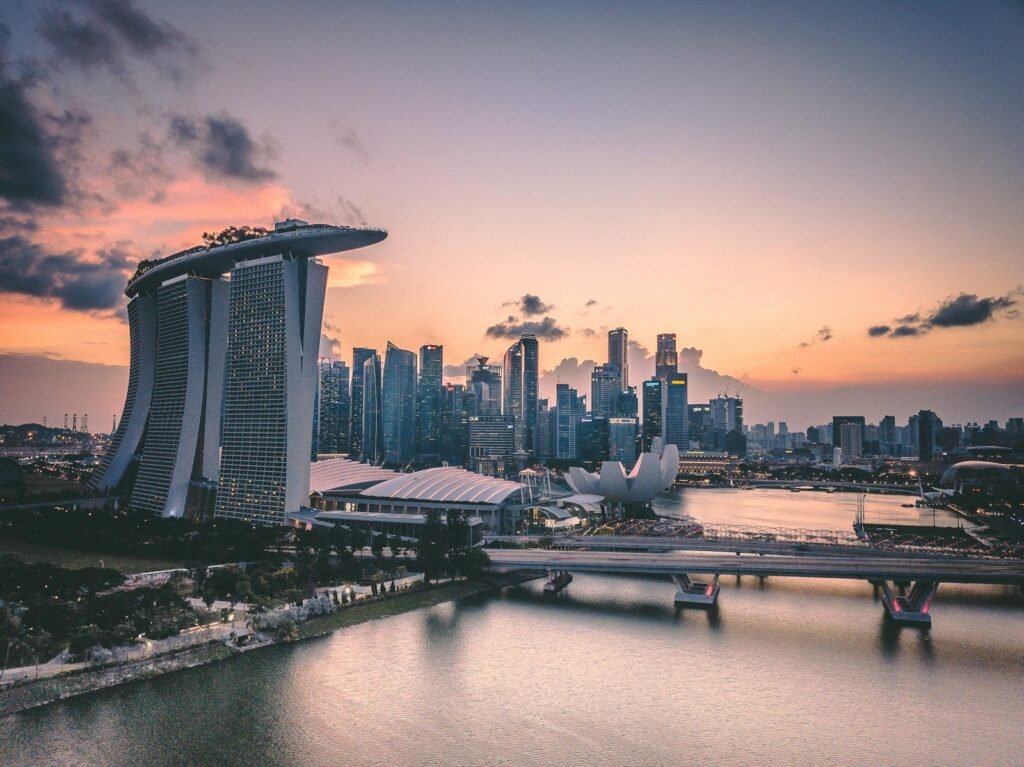
Moving to Singapore represents an exciting opportunity for career growth and cultural immersion, yet understanding the true cost of living in Singapore remains crucial for any expat considering this dynamic city-state. While Singapore consistently ranks as one of the world’s most expensive cities, the reality is more nuanced than headlines suggest. With careful planning and smart choices, many expats find they can enjoy an excellent quality of life while managing their expenses effectively.
Housing: Your Largest Financial Consideration
Accommodation typically represents the most significant portion of the cost of living in Singapore. The city offers diverse housing options, from luxurious condominiums with resort-style facilities to more modest HDB flats that provide excellent value. Prime central areas like Orchard Road, Marina Bay, and the River Valley command premium prices, while neighborhoods further from the city center, such as Tampines, Jurong East, and Woodlands, offer more affordable alternatives while still providing excellent amenities and connectivity.
The rental market in Singapore moves quickly, and understanding the nuances can significantly impact your budget. Beyond the monthly rent, expats should factor in additional costs, including a one-month security deposit, agent fees typically equivalent to one month’s rent, and utility deposits. Many condominiums include maintenance fees and basic amenities in the rental price, while HDB flats may have separate utility and conservancy charges. The type of housing you choose will dramatically influence your overall cost of living in Singapore.
Also Read: Investing in Canadian Real Estate: What You Need to Know
Daily Expenses and Grocery Shopping
The cost of living in Singapore for daily necessities offers surprising flexibility. The city-state boasts an incredible range of shopping options, from air-conditioned supermarkets offering imported goods to vibrant wet markets selling fresh local produce. While imported Western brands command premium prices, local Singaporean products and regional imports from Malaysia and Thailand provide excellent value. Many expats find that by balancing their shopping between different store types and embracing local products, they can effectively manage their grocery budget without sacrificing quality.
Dining out perfectly illustrates the spectrum of the cost of living in Singapore. Hawker centers and food courts offer delicious, hygienic meals for a fraction of restaurant prices, while mid-range cafes and high-end restaurants cater to different budgets and occasions. The beauty of Singapore’s food scene lies in its accessibility – you can enjoy world-class cuisine across price points, making food one of the city’s most democratic pleasures.
Also Read: First-Time Homebuyer Programs in Canada: Are You Eligible?
Transportation: Efficient and Varied Options
Singapore’s transportation system offers excellent value and efficiency, helping to manage the overall cost of living in Singapore. The Mass Rapid Transit system and public buses provide comprehensive coverage at reasonable prices, with monthly passes available for regular commuters. Ride-hailing services and taxis offer convenient alternatives, though these naturally cost more than public transport.
For those considering car ownership, be prepared for significant expenses beyond the vehicle’s purchase price. The Certificate of Entitlement system, insurance, parking fees, and Singapore’s Electronic Road Pricing system make car ownership one of the largest potential expenses in the cost of living in Singapore. Many expats find they can live comfortably without a car, thanks to the excellent public transportation network and the city’s compact nature.
Education and Healthcare Considerations
For expat families, education costs represent a substantial component of the cost of living in Singapore. International schools offer various curricula and typically charge significant tuition fees, though many employers provide education allowances as part of compensation packages. The healthcare system in Singapore is world-class, with both public and private facilities maintaining exceptionally high standards. While employers typically provide basic health insurance, many expats choose to supplement this with additional coverage for greater peace of mind.
Lifestyle and Entertainment Costs
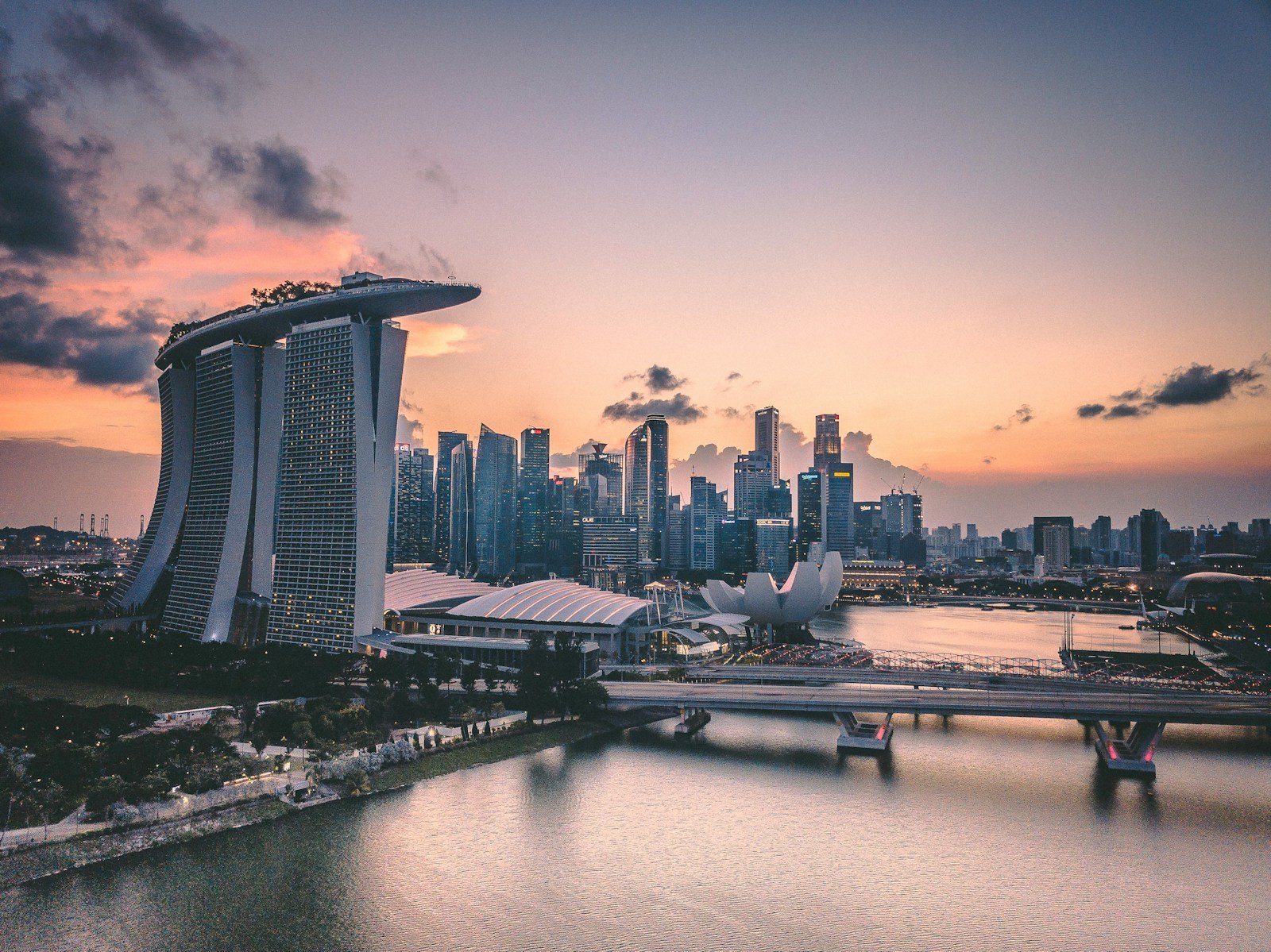
The cost of living in Singapore for leisure activities varies dramatically based on personal preferences. The city offers numerous free or low-cost attractions like beautiful parks, nature reserves, and public events. Museum entry fees are reasonable, and many cultural institutions offer free admission during certain hours. Dining and entertainment costs can be managed by taking advantage of happy hours, early bird specials, and promotional offers widely available throughout the city.
Creating a Sustainable Budget
Understanding the real cost of living in Singapore enables expats to create a sustainable financial plan. While certain aspects are undoubtedly expensive, many find that the city’s safety, cleanliness, efficiency, and exceptional quality of life justify the costs. The key to successful financial management lies in balancing splurges with savings, embracing local options where possible, and understanding that the highest price doesn’t always mean the best quality.
At Mavit Realty, we understand that relocation involves both excitement and practical challenges. While we specialize in Dubai real estate, we recognize that global mobility often means considering various destinations. For those comparing options between Singapore and Dubai, we’re happy to provide insights about the Emirates market. Wherever your journey takes you, thorough research and careful planning remain essential to making the most of your international experience.