


New Zealand’s breathtaking landscapes and balanced lifestyle are world-renowned, but they come with a specific financial reality. For individuals and families considering a move, understanding the genuine cost of living in New Zealand is the first step toward a successful transition. This expense profile is shaped by the nation’s geographic isolation, its high standards for goods and services, and the significant variation between its urban centers and regional towns. Unlike a simple price list, the true cost of living in New Zealand reflects a trade-off, where residents often accept higher prices for everyday items in exchange for a unique quality of life, environmental beauty, and social stability.
Also Read: Investing in Canadian Real Estate: What You Need to Know
The Housing Equation: The Largest Variable
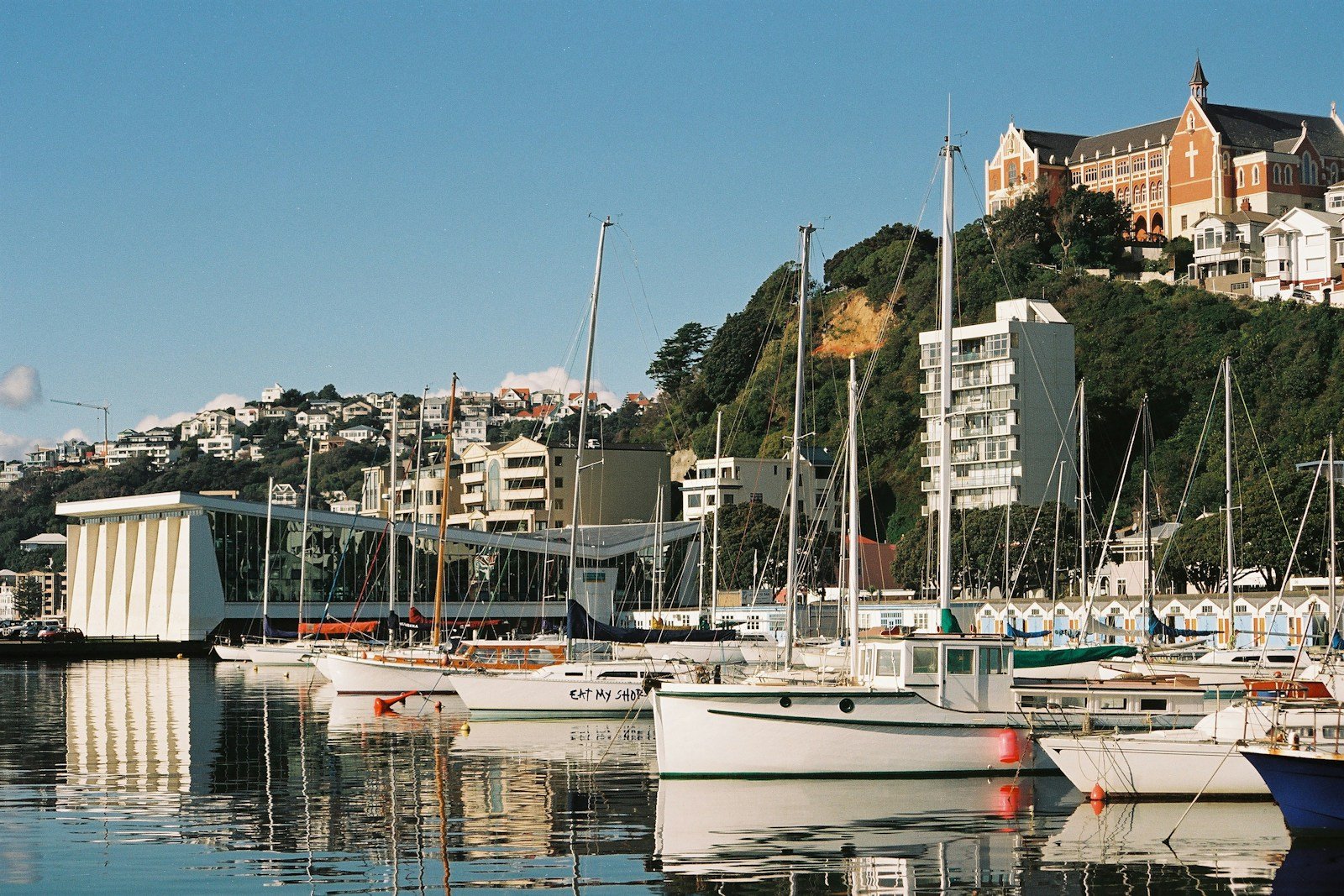
The single most significant factor in New Zealand’s cost of living is housing, and its cost varies dramatically by location. Auckland, as the largest city, commands the highest prices, where renting a modest two-bedroom apartment or purchasing a home represents a major financial commitment that consumes a substantial portion of a typical income. In contrast, cities like Wellington and Christchurch offer relatively more affordable options, while smaller regional towns can provide significantly lower housing costs. However, the cost of living in New Zealand for housing isn’t just about the mortgage or rent. Homeowners must budget for rates (local property taxes), insurance (which is particularly important in a country prone to seismic activity and weather events), and maintenance. Renters, while avoiding these, often find rental markets competitive, especially in desirable urban areas. This housing pressure fundamentally dictates lifestyle choices and is the primary driver of financial planning for the cost of living in New Zealand.
Groceries and Daily Necessities: The Price of Paradise
Weekly grocery shopping is where many newcomers first feel the impact of the cost of living in New Zealand. As an island nation that produces high-quality local meat, dairy, and produce, prices for these items can be reasonable, especially when bought in season. However, imported goods, including many everyday pantry items, chocolate, and certain fruits and vegetables, carry a noticeable premium due to transportation costs. Managing this aspect of the cost of living in New Zealand often involves adapting shopping habits, opting for local brands, buying seasonal produce, and shopping at local markets or larger supermarket chains during sales. Dining out is a beloved part of Kiwi culture, but adds considerably to the monthly budget, with even casual meals and the famous flat white coffee representing a meaningful expense when done regularly.
Also Read: First-Time Homebuyer Programs in Canada: Are You Eligible?
Transportation: Getting Around in the Land of the Long White Cloud
How you get from A to B is a crucial component of the cost of living in New Zealand. In major cities like Auckland and Wellington, there are public transport networks (buses, trains, and ferries), but outside these hubs, car ownership is virtually essential for daily life. This introduces a suite of costs: purchasing a vehicle (where both new and used cars are expensive compared to many other countries), fuel (petrol prices are high), vehicle licensing (rego), mandatory third-party insurance, and maintenance. For those in cities, a reliable car may be replaced with weekly public transport passes, which are a recurring line item. The geography of New Zealand also means domestic flights or long-distance fuel costs are a reality for those wishing to explore or visit family, adding to the overall cost of living in New Zealand.
Healthcare and Education: Navigating Public and Private Systems
New Zealand’s social systems play a defining role in the cost of living in New Zealand. The public healthcare system provides essential services, but many residents choose private health insurance to access specialists and elective surgeries more quickly, paying a regular monthly premium. Prescription medications are subsidized but come with a small co-payment. Education is a major consideration for families. While public schools are free for citizens and residents, “donations” (voluntary school fees), uniforms, and extracurricular activities are standard costs. Many families also invest in early childhood education (ECE), which, while subsidized, still requires weekly payments. The decision between public and private schooling represents one of the largest long-term financial commitments a family can make, deeply impacting the cost of living in New Zealand for those with children.
Utilities and Communications: The Cost of Comfort
The ongoing cost of running a home forms the baseline of the cost of living in New Zealand. Electricity bills can be high, especially during colder months in the South Island, where heating is a necessity. Many homes are heated by electricity, making winter a peak expenditure period. Broadband internet and mobile phone plans are generally competitive and of good quality, representing a relatively efficient part of the budget. However, water rates (often included in council rates for homeowners) and home and contents insurance a non-negotiable in a country with natural hazard risks are significant and non-discretionary expenses that must be factored into any accurate assessment of the cost of living in New Zealand.
Lifestyle and the Intangible Balance
Ultimately, the cost of living in New Zealand is balanced against an intangible but powerful return on investment: lifestyle. The ability to hike in a national park after work, surf before breakfast, or enjoy a safe, community-oriented environment is what residents are ultimately paying for. Discretionary spending on hobbies, gym memberships, ski passes, or weekend trips to the bach (holiday home) is where personal choices most visibly affect the budget. The cost of living in New Zealand, therefore, is not just a tally of expenses but an equation that weighs financial outgoings against unparalleled access to nature, a relaxed pace of life, and a strong sense of community.
At Mavit Realty, we specialize in helping people navigate life-changing moves. While our primary expertise is in the dynamic UAE property market, we understand that global mobility requires a clear-eyed view of finances everywhere. Whether you’re comparing opportunities or planning a future move, grasping the full picture of the cost of living in New Zealand is crucial. For expert guidance on your property journey in the UAE or insights into international living, contact our knowledgeable team at Mavit Realty. We’re here to help you make informed decisions, wherever in the world you choose to call home.