

Germany’s reputation for efficiency, high quality of life, and central European location makes it a top destination for expatriates from around the world. However, the financial reality of settling here requires a clear understanding of the cost of living in Germany, which varies significantly between its major metropolises and smaller towns. For expats, navigating this expense landscape is about balancing Germany’s renowned social security and infrastructure with the direct costs of housing, utilities, and daily life. While salaries are generally competitive, a well-planned budget that accounts for the nuanced cost of living in Germany is essential for a comfortable and sustainable life in the heart of Europe.
Also Read: Investing in Canadian Real Estate: What You Need to Know
Housing: The Largest Share of Your Budget
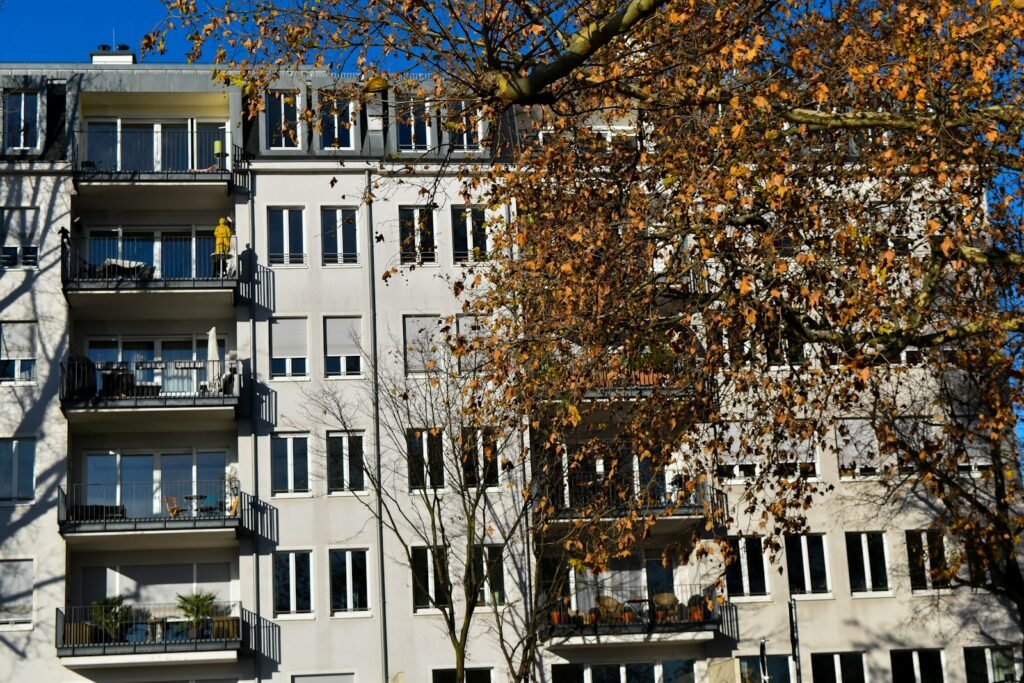
For most expats, housing will represent the single greatest monthly expense, and the cost of living in Germany is dramatically influenced by your chosen city. Munich, Frankfurt, and Hamburg consistently rank among the most expensive cities, where finding an affordable apartment in a desirable area can be competitive and costly. In contrast, cities in the former East Germany, such as Leipzig or Dresden, or smaller university towns, offer significantly more reasonable rents. The cost of living in Germany for housing isn’t just the Kaltmiete (cold rent); you must add the Nebenkosten (utilities like heating, water, and building maintenance) to get the Warmmiete (total monthly rent). Additional one-time costs include the Kaution (security deposit, typically three months’ rent) and possibly a provision fee if you use an agent. Unlike some countries, German rentals are often unfurnished, meaning even the kitchen might be empty, requiring an upfront investment in appliances.
Groceries and Dining: Quality and Affordability
Day-to-day food expenses present a relatively positive aspect of the cost of living in Germany. Grocery shopping is affordable, especially if you favour local discounters like Aldi, Lidl, or Penny. The quality of bread, dairy, meat, and produce is high, and prices are reasonable. Preparing meals at home is a cost-effective way to manage your food budget. Where the cost of living in Germany sees a noticeable jump is in dining out and socializing. A meal at a mid-range restaurant or a few drinks at a bar can add up quickly. The culture of enjoying coffee and cake (Kaffee und Kuchen) or a beer at a local pub is integral to social life, so expats should budget for these discretionary but important expenses to fully engage with the German lifestyle.
Also Read: First-Time Homebuyer Programs in Canada: Are You Eligible?
Transportation: Efficient but with Associated Costs
Germany’s world-class transportation infrastructure is a major draw, but it comes with specific costs that shape the cost of living in Germany. In major cities, owning a car is often unnecessary and expensive due to high fuel costs, insurance (Kfz-Versicherung), road tax (Kfz-Steuer), and parking fees. Most expats and locals alike rely on excellent public transport networks, U-Bahn, S-Bahn, trams, and buses. The cost of a monthly public transport pass (Monatskarte) is a standard and predictable expense. For longer distances, the Deutsche Bahn rail network is efficient but can be pricey if not booked in advance. Many people opt for a BahnCard for discounts. For those who cycle, Germany is exceptionally bike-friendly, offering a healthy and virtually free mode of transport for shorter trips.
Health Insurance: A Non-Negotiable Pillar
The German healthcare system is excellent and mandatory, forming a critical and non-negotiable component of the cost of living in Germany. As an expat, you are legally required to have health insurance (Krankenversicherung). If your salary is below a certain threshold, you will join the public system (gesetzliche Krankenkasse), where premiums are a fixed percentage of your gross income (roughly 14.6%, split evenly between you and your employer). If you earn above the threshold or are self-employed, you may opt for or be required to take private insurance (private Krankenversicherung), which can offer more extensive coverage but at a variable, often higher, cost that rises with age. This mandatory premium is a significant deduction from your salary but provides comprehensive coverage and peace of mind.
Utilities, Communications, and Broadcasting
Beyond the rent’s Nebenkosten, expats must manage other recurring bills that contribute to the cost of living in Germany. Electricity costs are relatively high. Internet and mobile phone contracts are competitively priced but require careful comparison, often with a minimum 24-month contract period. A unique and mandatory expense is the Rundfunkbeitrag (broadcasting contribution). Every household must pay a monthly fee to support public broadcasters like ARD and ZDF, regardless of whether you own a TV or radio. It’s a fixed fee per flat, not per person, so sharing an apartment means splitting this cost. While sometimes surprising to newcomers, this fee is a standard part of the German household budget.
Education and Family Costs
For expat families, education is a major factor in the cost of living in Germany. Public schools are free and of high quality, but the language of instruction is German. Therefore, many expat children attend international or private schools, which charge substantial annual tuition fees, a primary financial consideration for families. Childcare (Kindergarten) costs vary by region and can also be significant, though subsidies are available. Additionally, activities, sports clubs (Vereine), and cultural outings for children are part of family life and should be factored into the monthly budget.
The Regional Disparity and Final Verdict
Ultimately, stating a single “average” for the cost of living in Germany is misleading. A comfortable life for a single person in Munich requires a much higher income than the same lifestyle in Berlin or a small town in Thuringia. Expats must research their specific destination city. While the initial setup costs and mandatory deductions can feel high, the return is access to outstanding infrastructure, social stability, rich culture, and the freedom to travel easily across Europe.
At Mavit Realty, we assist clients in building lives across borders. Understanding the cost of living in Germany is a crucial piece of that puzzle. While our core expertise lies in the vibrant UAE real estate market, we provide insights that help professionals and families make informed global comparisons. If you are weighing opportunities between regions or planning your next move, contact Mavit Realty. We’re here to offer perspective and expertise, helping you navigate your financial planning wherever your journey takes you.